
Greenhouses
Extending Growing Seasons for Food Security
Food security is a major challenge in developing countries. By 2025, the UN estimates that 83% of the world’s population will live in developing nations, where food supplies remain most uncertain. In northwest Nepal, the short growing season limits families to only three or four months of crop production.
The First Greenhouse in Humla
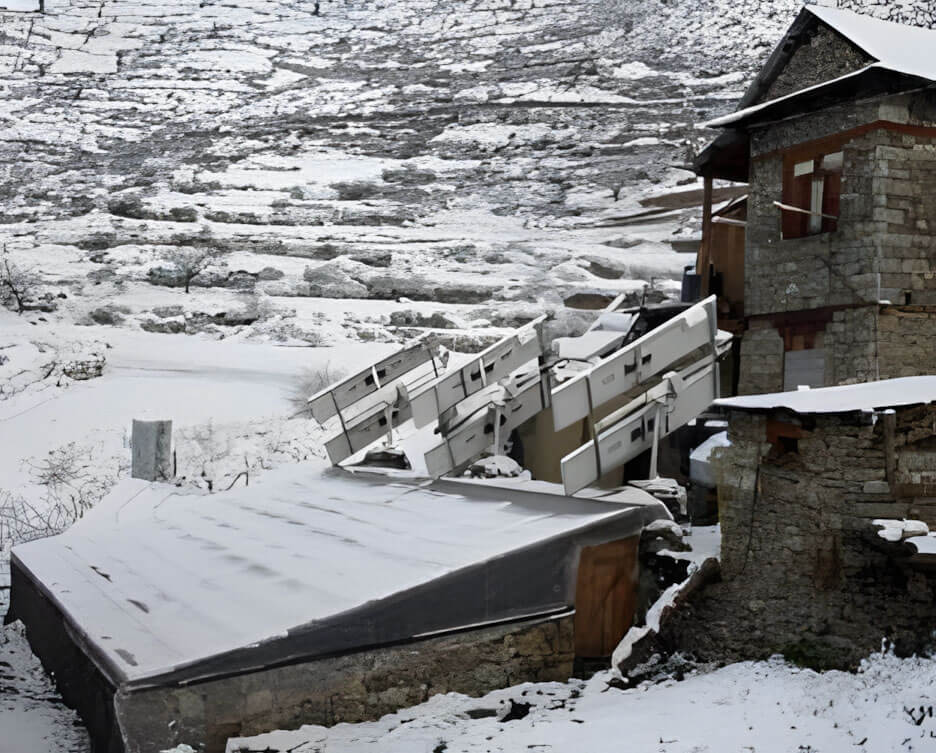
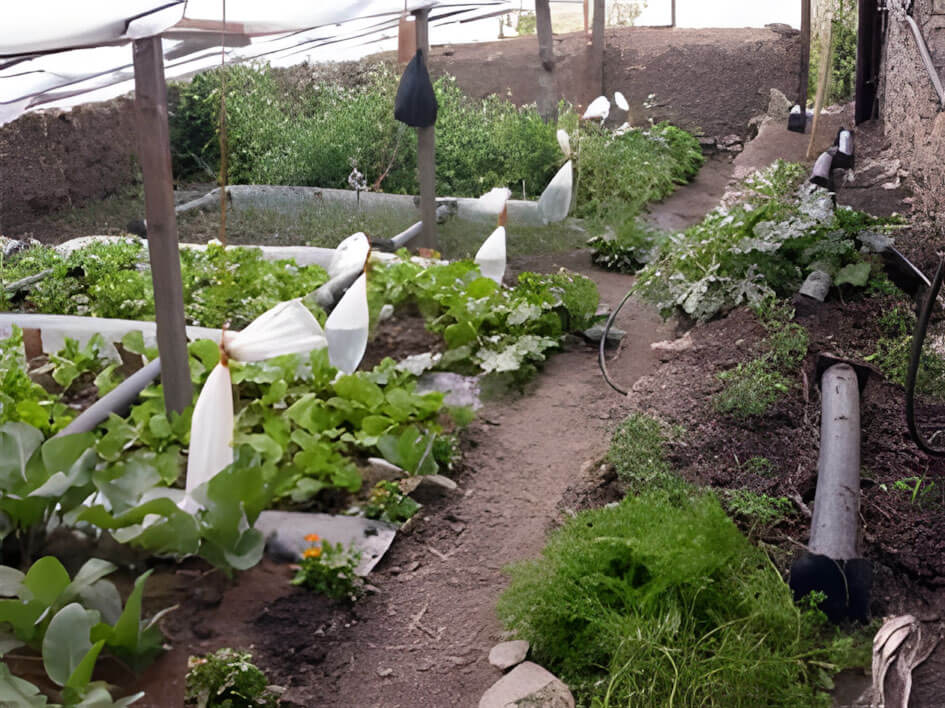
In 2004, RIDS-Nepal built the first greenhouse in Nepal at the HASO (High Altitude Simikot Office) in Humla, 3,000 meters above sea level. Data from NASA shows that this region experiences freezing temperatures on nearly 200 days each year. Before this project, families could not grow vegetables during winter. Inside the greenhouse, however, spinach and other crops thrived even in snow-covered months.
Design and Technology
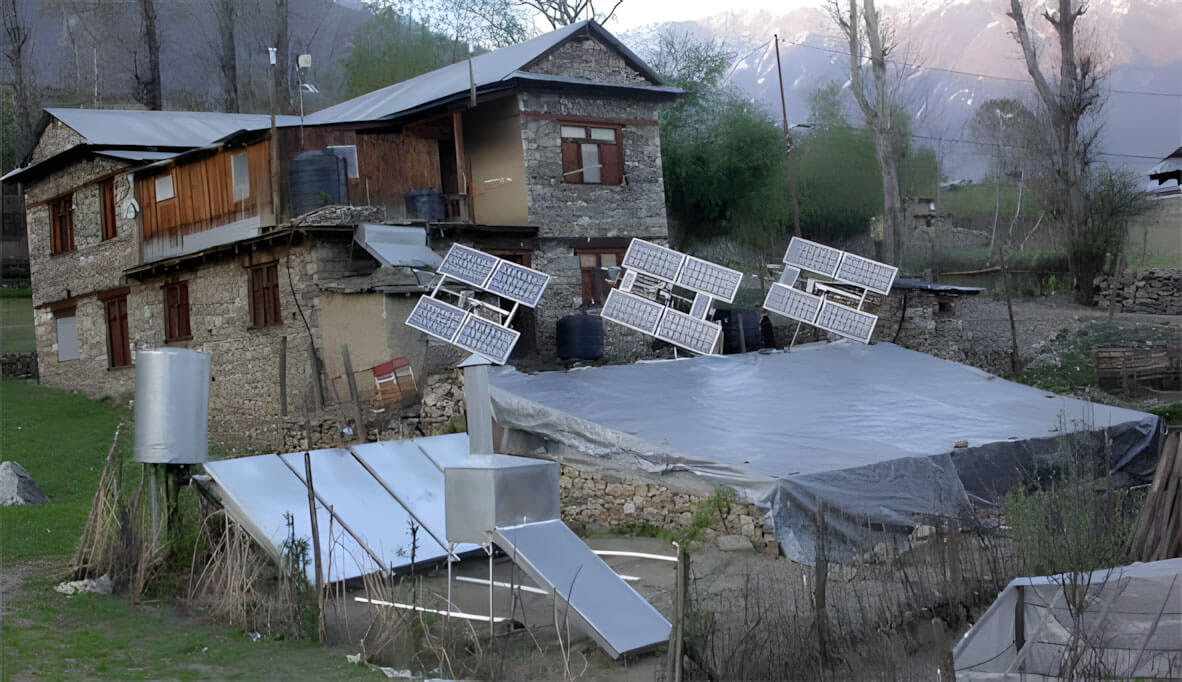
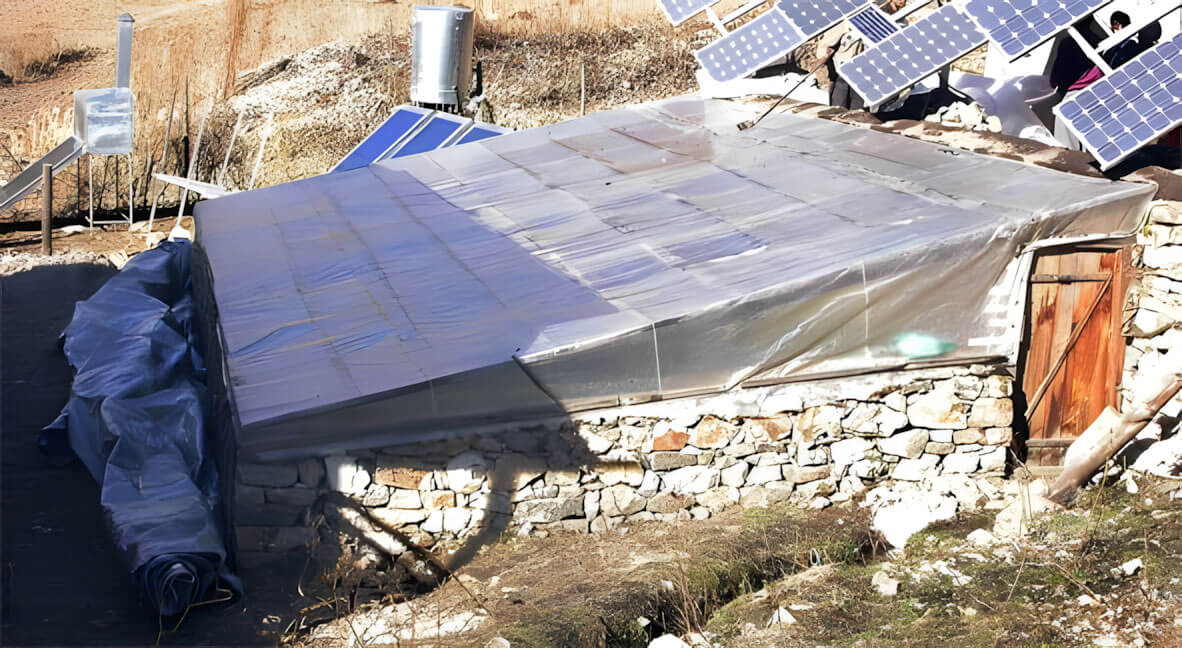
The greenhouse design relies on local materials. Villagers use stone for the walls and wooden beams for the roof. A double layer of UV-stabilized plastic, transported from Kathmandu, provides insulation. Between the plastic sheets, an air barrier reduces heat loss. Large water-filled tubes, known as “water sausages,” store solar energy during the day and release it at night. As a result, soil stays warmer and crops can grow for up to 10 months a year. Farmers also use locally produced pesticides and mixed planting methods to protect vegetables naturally.
Research and Expansion
At first, the greenhouse served as a research project. RIDS staff measured air and soil temperature, humidity, and plant growth with sensors at different depths. This careful monitoring helped refine the design. Later, the model was simplified so that villagers could build greenhouses themselves at lower cost.
Lasting Impact
Today, families in Humla are constructing their own greenhouses as part of RIDS’s Holistic Community Development (HCD) approach. The greenhouses extend the availability of nutritious vegetables, provide seeds for future planting, and create new income opportunities. Together with pit latrines, smokeless stoves, water filters, and solar dryers, the greenhouse Nepal initiative supports better health and long-term food security.
For more on global food security, visit the United Nations FAO site. To explore related initiatives, view our pit latrines project.
Video provided by RIDS Nepal