

Pit Latrines
Pit Latrines in Nepal: Improved Health Through Sanitation
Pit latrines Nepal address a severe lack of sanitation in the remote mountain villages where RIDS-Nepal works. Until recently, none of the 16 villages in our project area—together home to about 8,000 people—had toilets. Open defecation along paths and fields created not only unpleasant conditions but serious health hazards. Children were particularly at risk from illnesses such as diarrhea, worms, and hepatitis.
In 1998, sanitation became part of the Non-Formal Education (NFE) literacy classes. These lessons raised awareness about hygiene, cleanliness, and the value of toilets. As awareness grew, families began taking steps to build their own latrines.
RIDS-Nepal then held several three-day courses in different villages, teaching participants how to construct pit latrines that met health standards. Households that built latrines according to the course guidelines could also purchase a RIDS-developed smokeless metal stove at a 50% subsidy (about 2,000 NRs, ≈ $28 USD). Between July 1999 and July 2000, more than 500 families in the project area and nearby Jumla town benefited from the subsidized stove program as latrine adoption increased.
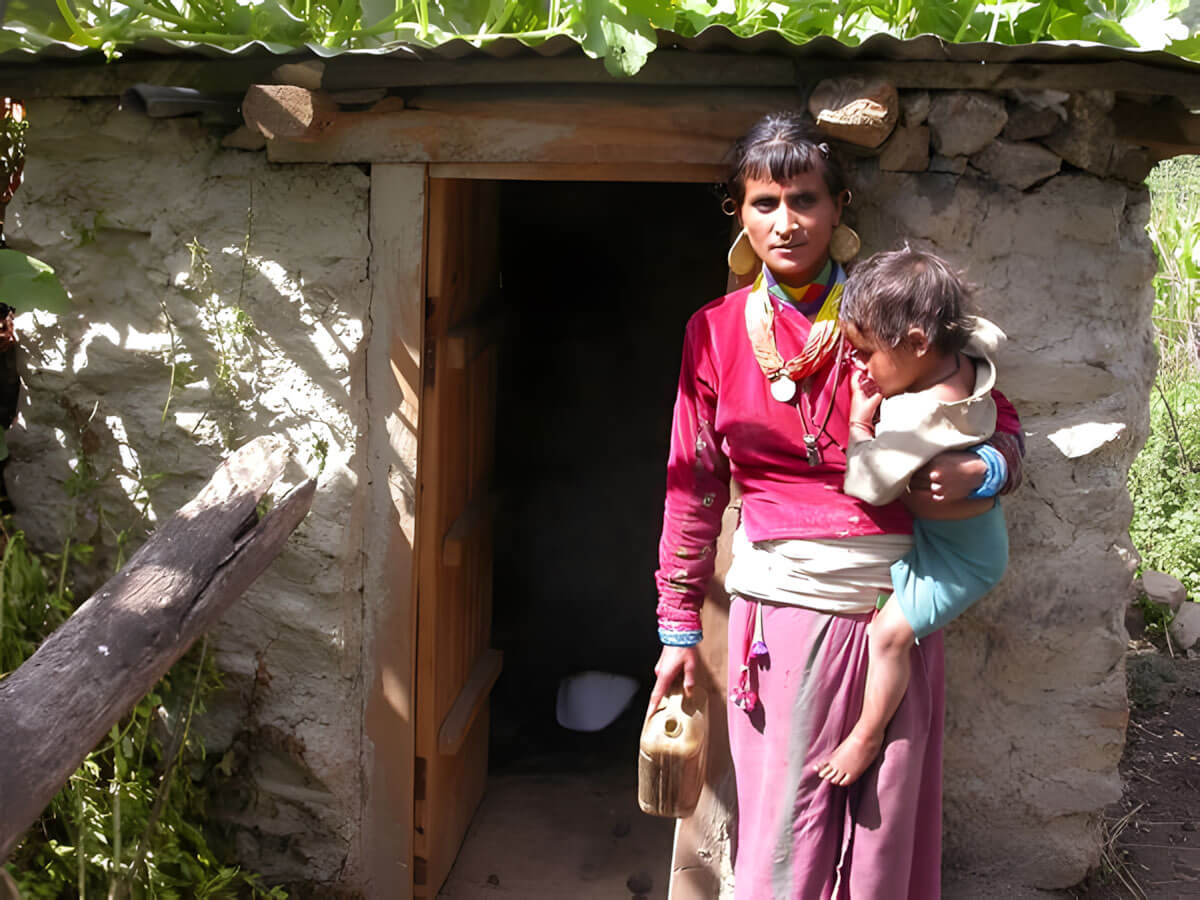


Ongoing evaluation produced an improved pit latrine design with a vent pipe fitted with a fly screen and an internal sliding board. These changes cut down on flies and odor—two main barriers to regular use, particularly for women—so more households now use their latrines consistently. Today, pit latrines Nepal projects are helping reduce disease and improve overall community health.
For related work, see our smokeless stoves project and global guidance from the World Health Organization on sanitation.
Video provided by RIDS Nepal