
What is a Micro or Pico Hydro Power Plant?
A micro hydro power plant produces electricity using a flowing water stream, generating 1–20 kW—enough to supply 4–100 households with light. Each house can install three 40–60 Watt bulbs. In Jumla, the average cost per household for a micro hydro system is roughly 30,000 NRs (≈US $400).
Pico hydro, meaning “very small,” produces 200 Watts to 5 kW. While traditional bulbs would limit the number of houses served, low-power white LED (WLED) lights allow more homes to access electricity. Each WLED cluster of nine lights consumes just 0.8 Watt, providing enough light for discussion, cooking, and reading.
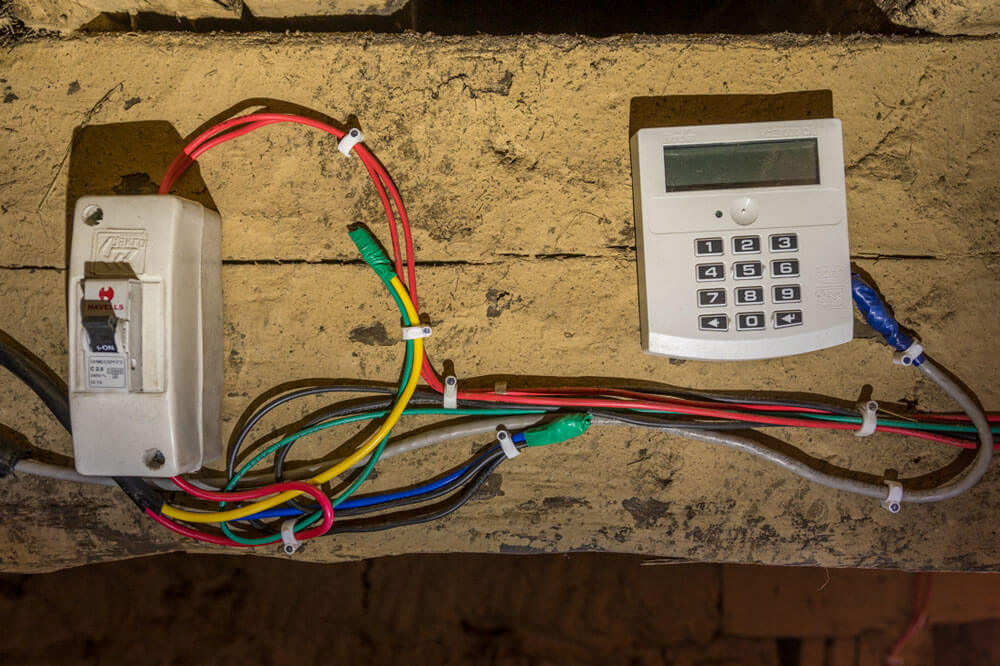
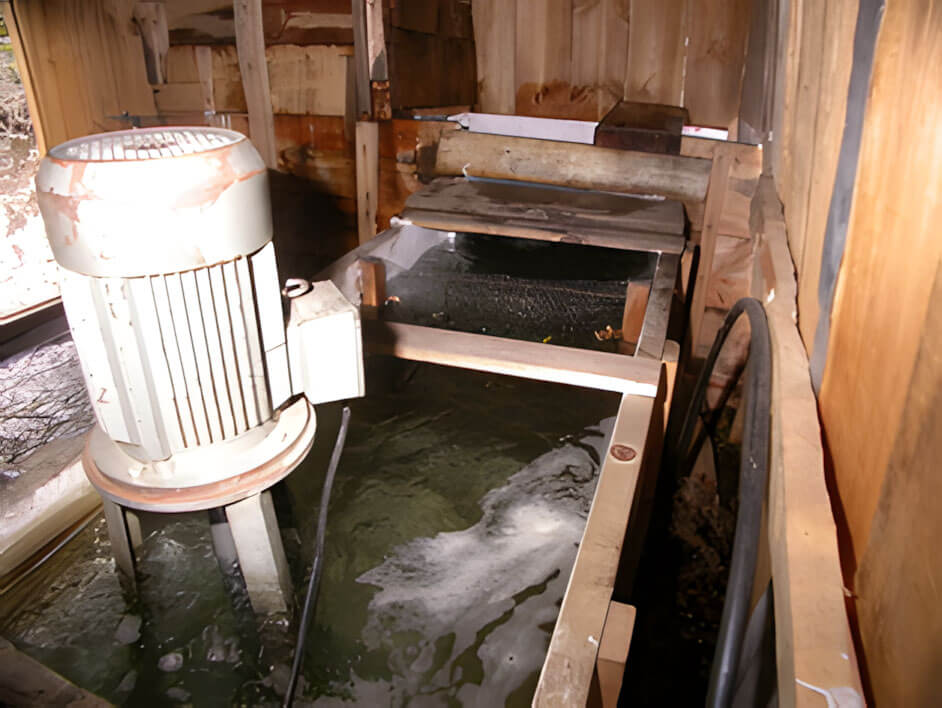
RIDS-USA Pico Hydro in Mohari Village
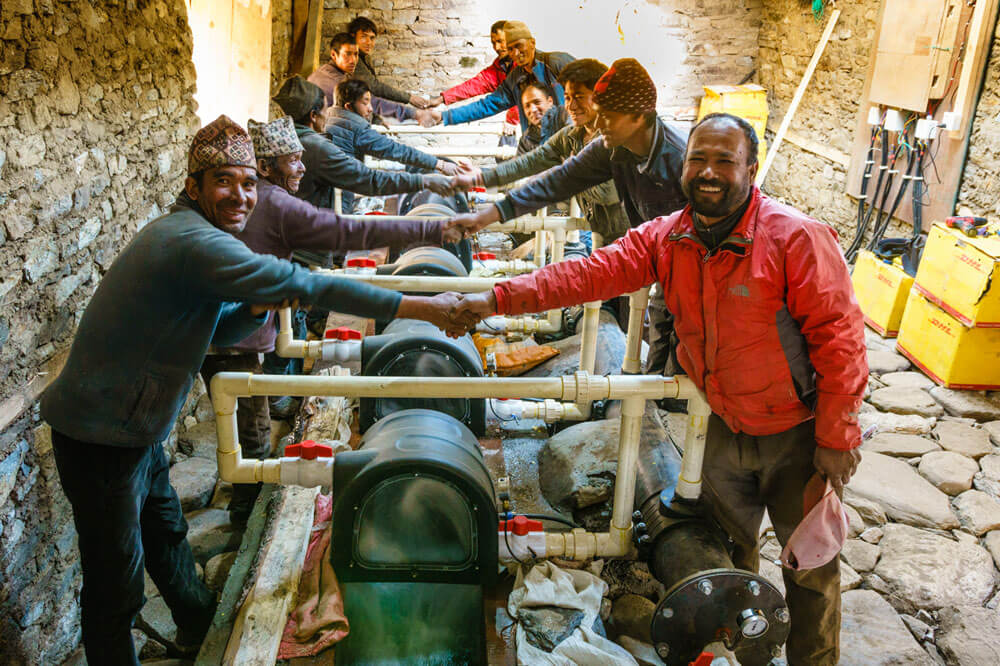
In December 2006, RIDS-USA installed the first Pico Hydro prototype in Mohari village, generating 650 Watt from a river about 700 meters from the village. The installation used mostly local materials—stone, wood, and mud—for the dam, canal, and power house. Underground wiring preserves soft pine wood, protects cables from monsoons, snow, and storms, and requires minimal maintenance.
Sixty-seven households now enjoy basic indoor lighting, with two to three WLED clusters per home (≈200 lights total). The local community provided materials and labor for construction, making the project both cost-effective and sustainable. The total cost per household for the Pico Hydro system with WLED lights is around 5,000 NRs (≈US $60), roughly one-sixth the cost of a micro hydro system.
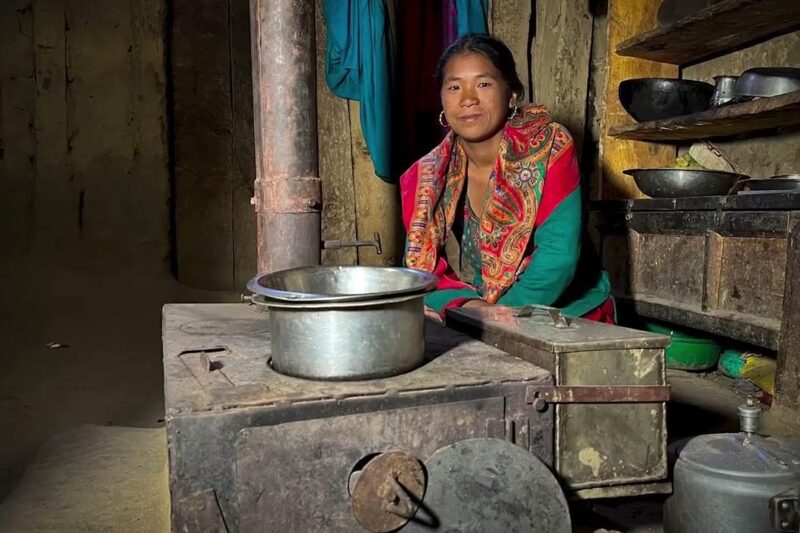
This affordable and locally maintainable solution improves quality of life while reducing indoor smoke from burning pine wood. The Pico Hydro system demonstrates how appropriate technology can bring sustainable electricity to remote, disadvantaged communities.
For more information on appropriate energy solutions, see the UN Sustainable Energy for All initiative. You can also learn about RIDS-USA’s other projects, like Drinking Water Testing, which complements sustainable living in remote villages.
The Power of Compassion
In a world where struggles and challenges abound, the essence of humanity often shines brightest in acts of charity and kindness. The altruistic endeavors of charity and nonprofit organizations play a pivotal role in shaping a better, more equitable society. From alleviating poverty to championing environmental sustainability, these entities serve as beacons of hope and catalysts for change. In this blog post, we delve into the significance of charity and nonprofit organizations, exploring their impact and the ways in which they inspire us to embrace the spirit of giving. At the heart of charity and nonprofit organizations lies the power of compassion.
Video provided by RIDS Nepal