
Food Security
Improving Food Security in Nepal
Nepal is a developing country, ranked 142 out of 177 countries in the Human Development Index (UNDP, 2007). Its annual GDP per capita is only US$ 252 (UNDP, 2006). In 2006, the population was about 28.3 million (CIA, 2007), with 40% aged 15 or less. Most people, around 80%, live in rural areas.
Traditional fuel, mainly wood, accounts for 93% of energy use nationally. In remote mountain areas, it is 100%. Electricity reaches only about 25% of the population, and the average per capita consumption is just 91 kWh per year. Infant mortality is high, ranging from 86 to 53 per 1,000 live births, depending on wealth. Malnutrition affects 17% of the population (UNDP, 2001–03), with 48–51% of children under five underweight or stunted. Over 20% of babies are born underweight. These figures worsen in rural and remote areas.
Food Security in Humla
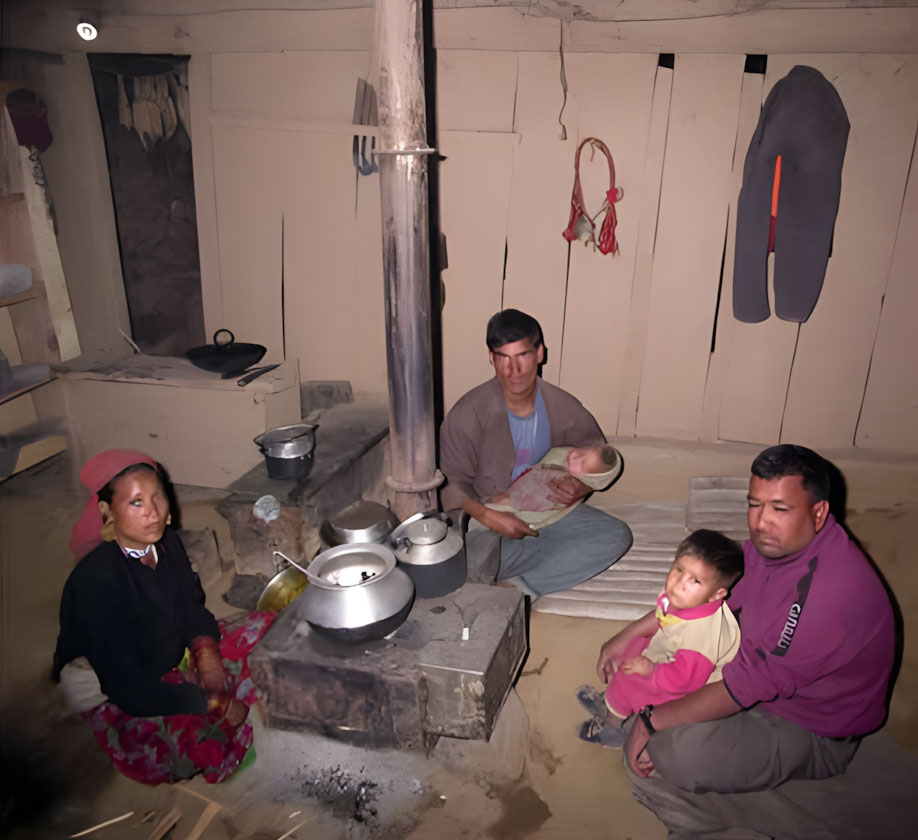
The World Bank defines food security as “access by all people at all times to enough food for an active, healthy life” (NPC/UNDP, 2005). Humla ranks among Nepal’s poorest districts. Using a 1 (best) to 75 (worst) scale, Humla ranks 74th in poverty, socioeconomic development, and women’s empowerment (ICIMOD, 2003).
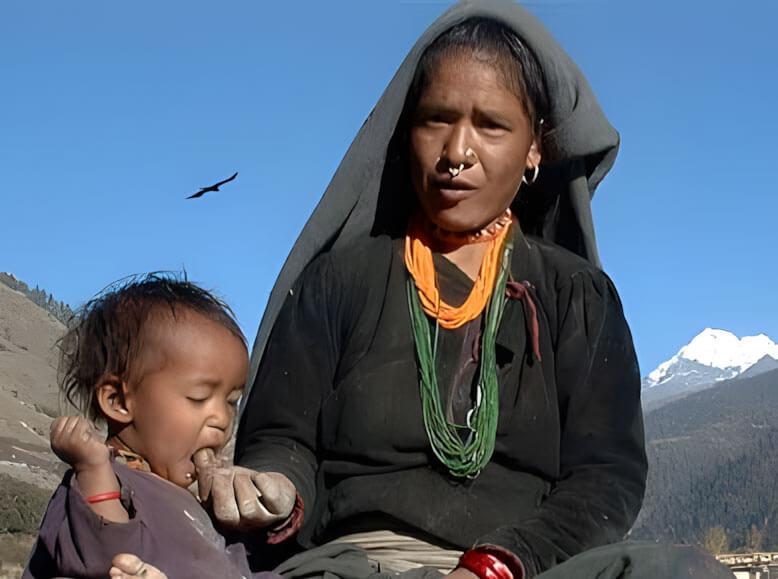
In this food-deficient area, subsistence farming, livestock, and inter-village trade sustain communities. Less than 1% of land is arable due to steep slopes, rocks, rivers, and forest cover (DPH, 2004). Snow covers the region for five months each year, leaving only 3–4 months for fresh food production. As a result, malnutrition is chronic. Studies show that 65% of children under five in Humla suffer from malnutrition.
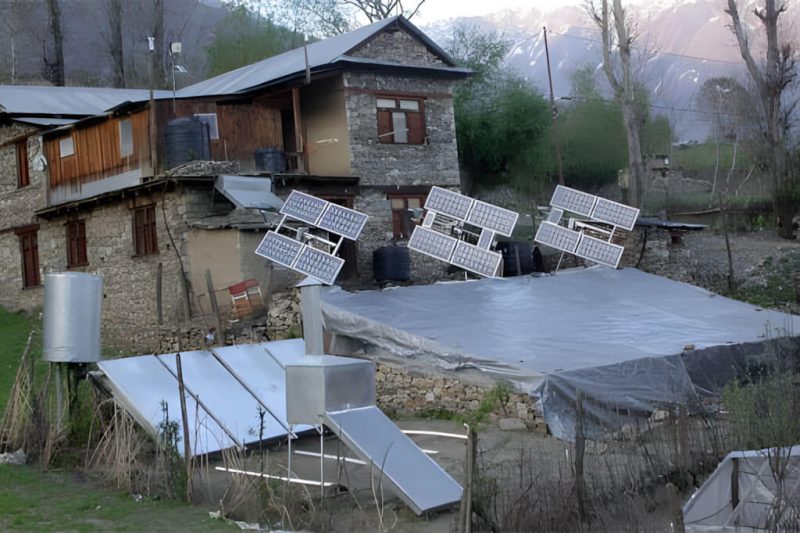
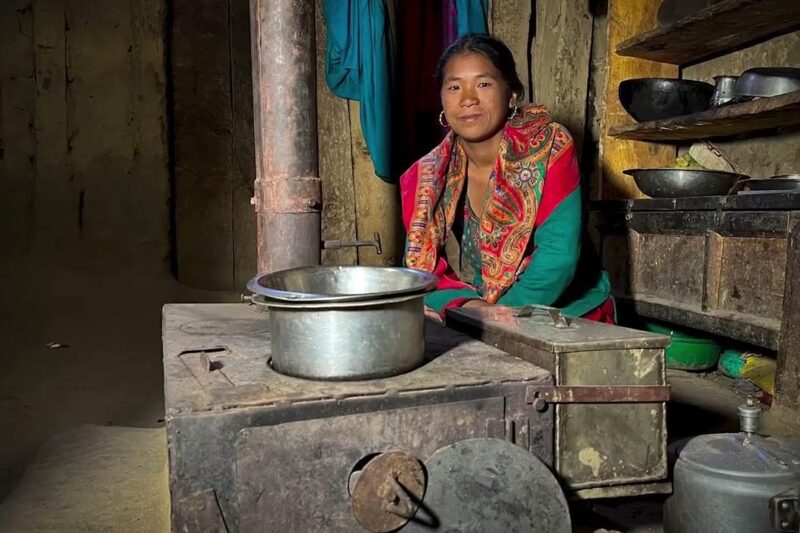
RIDS-USA addresses this crisis through five programs: Smokeless Metal Stoves, Solar Cookers, Solar Driers, Greenhouses, and a Nutrition Program. Each project is designed to increase food production, store food hygienically, and teach proper nutrition. Together, these initiatives improve both household food security and child health. You can explore each program through the Food Security menu.